Retinol 101: Your Essential Retinol Guide
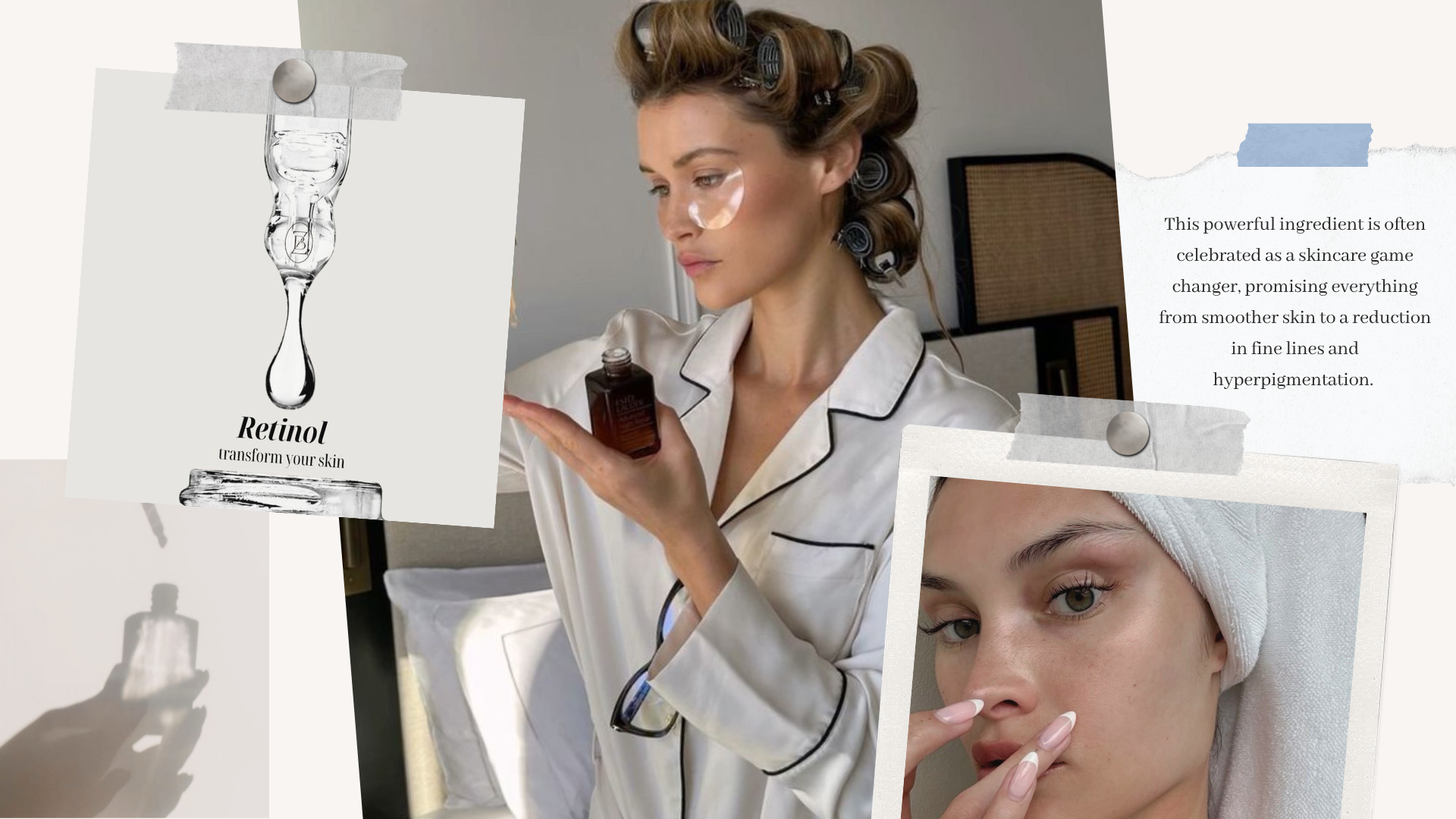
We have all probably heard of retinol, whether from your favourite beauty influencer or browsing the shelves of your local beauty stores. This powerful ingredient is often celebrated as a skincare game changer, promising everything from smoother skin to a reduction in fine lines and hyperpigmentation. But what exactly is retinol, how should it be used, and what benefits can you expect?
Let’s dive into the world of retinol and discover how it can transform your skin.
What is Retinol?
Retinol is a Vitamin A derivative, a crucial nutrient for healthy skin. It is known for its ability to promote cell turnover, essentially encouraging your skin to shed tired, dead cells and reveal a fresher, more youthful complexion. Retinol also helps reduce the appearance of wrinkles and fine lines while aiding in the treatment of acne and improving uneven skin tone. If you’re searching for a glowing, revitalised look, incorporating retinol into your skincare routine might be just what you need.
The Benefits of Retinol
Fights the Signs of Ageing
Retinol stimulates collagen production, which helps to plump the skin and reduce the appearance of fine lines and wrinkles.Improves Skin Texture
Regular use of retinol can achieve smoother skin, as it enhances cell turnover and reduces the appearance of rough patches.Reduces Hyperpigmentation
Retinol can help lighten sunspots, age spots, and post-acne pigmentation, promoting a more even skin tone.Acne Management
Retinol helps unclog pores and prevent breakouts, making it an excellent choice for individuals with acne-prone skin.Boosts Radiance
Consistent use of retinol can lead to a brighter, more youthful complexion.
How to Use Retinol :
Start with a Low Concentration
If you are new to retinol, begin with a product that contains a lower concentration (around 0.01% to 0.1%)Patch Test
Never skip the patch test! Apply a pea-sized amount of product to your wrist or behind your ear to check for any adverse reactions.Frequency
Start using retinol once or twice a week, then gradually increase it to every other night as your skin builds tolerance.Application
Apply a pea-sized amount of cleansed, dry skin. Initially, avoid the delicate areas around your eyes and lips, as these are more sensitive.Moisturise
Always follow up with a hydrating product to help soothe and minimise any potential dryness that may occur overnight.SPF
Retinol increases the skin's sensitivity to sunlight, so applying a broad-spectrum sunscreen daily is crucial to protect it.
Pro Tip: When introducing retinol into your skincare routine, it’s essential to start slowly.
When to Use Retinol
The ideal time to apply retinol is at night before bed. This is when your skin undergoes its natural repair process, allowing retinol to work its magic without any interference from sun exposure.
Incorporating retinol into your skincare routine can truly work wonders! This powerful ingredient is renowned for delivering transformative results. With consistent use and proper precautions, you can enjoy smoother, more youthful-looking skin. Remember that patience is key, as results often take several weeks to become noticeable. No matter your skincare goals, retinol deserves a spot in your skincare line-up – it’s a star ingredient for achieving healthy, radiant skin. So, treat yourself, indulge in self-care, and enjoy the pampering process!