Barrier Repair: Why Your Skin’s Moisture Barrier Matters
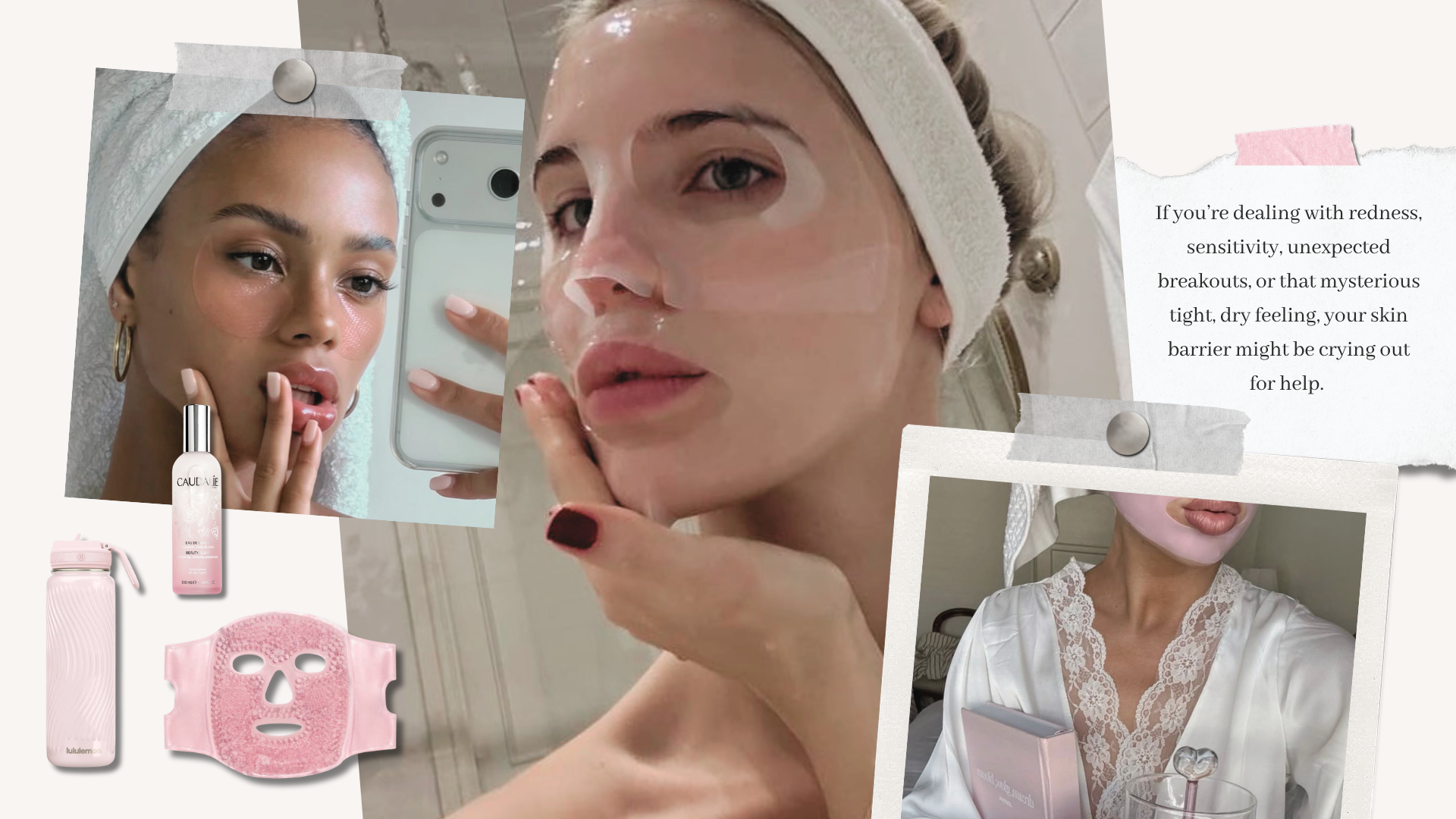
If you’re dealing with redness, sensitivity, unexpected breakouts, or that mysterious tight, dry feeling, your skin barrier might be crying out for help. In recent years, “skin barrier repair” has become a buzzword in beauty, and for good reason: a healthy skin barrier is the secret to glowing skin, a natural glow and confidence. But what exactly is your skin’s barrier—and why should we care?
What Is the Skin Barrier?
Think of your skin barrier as your body’s personal shield. Scientifically, it’s called the stratum corneum - the outermost layer of your skin - and it works hard to lock in moisture, keep irritants and pollutants out, and maintain a smooth, supple appearance. When your barrier is strong, your skin feels soft, looks plump and healthy, and stays balanced. But life happens, and sometimes overdoing skincare, harsh products, or just everyday stress can leave your skin barrier feeling fragile, leading to irritation, dryness, or breakouts. That’s why so many women are hitting reset on their skincare routines: it’s all about getting back to basics, nurturing their skin, and letting it thrive naturally. Your skin actually craves simplicity, and barrier repair is about listening to your skin, giving it what it needs, and letting your natural glow take centre stage.
Signs Your Skin Barrier is Damaged
Increased sensitivity or redness
Dryness, flakiness, or rough patches
Stinging or burning when applying products
Sudden breakouts (even if you’re not acne-prone)
What Damages Your Skin Barrier?
Women ages 21-35 are especially vulnerable to skin barrier disruption, thanks to:
Over-exfoliation (physical scrubs or strong acids)
Harsh cleansers and hot water
Environmental stress (pollution, sun exposure)
Stress, lack of sleep, or hormonal changes
The Golden Rules of Skin Barrier Repair
Simplify Your Routine: Less is more. Strip back to gentle basics: a hydrating cleanser, a soothing moisturiser, and SPF.
Avoid Over-Exfoliating: It’s time to give your barrier a break from acids, scrubs, and retinoids. This is because these products require healthy skin to function, so using them on compromised skin strips essential lipids, causes micro-tears, and removes the protective seal your skin is desperately trying to rebuild.
Hydrate like it’s your job: Reach for products with hyaluronic acid, glycerin, or squalane—these three ingredients work in harmony to rebuild and fortify a compromised skin barrier by drawing in hydration and sealing it in.
Replenish with Ceramides & Fatty Acids: These ingredients rebuild the skin's protective lipid barrier, helping prevent moisture loss, soothe irritation, and keep environmental aggressors from penetrating the skin, thereby sealing in moisture and restoring strength.
Protect with SPF – Sun damage is one of the fastest ways to wreck your barrier. Daily SPF is non-negotiable—even when it’s cloudy.
Game-Changing Ingredients for Barrier Repair
Ceramides: Restore and strengthen
Niacinamide: Calms redness, supports healing
Panthenol (Vitamin B5): Soothes and hydrates
Centella Asiatica: Repairs and reduces inflammation
Fatty Acids & Squalane: Replenish lost lipids
Barrier-Support Products Every Woman Should Know
Ceramide Creams: These mimic your skin’s natural building blocks, strengthening your skin barrier and sealing in moisture. Look for rich, fragrance-free formulas—perfect for daily use, whether you’re a skincare minimalist or maximalist.
Gentle Cleansers: Ditch harsh foaming cleansers and opt for creamy, hydrating cleansing products. ones that won’t strip your skin. Unlike harsh foaming gels, these hydrating formulas reinforce the barrier by gently lifting impurities, makeup, and excess sebum without stripping away natural oils.
Soothing Serums: Ingredients like niacinamide, panthenol, and centella asiatica are great ingredients for stimulating lipid production, locking in deep moisture, and immediately calming inflammation.
Face Oils: Squalane and jojoba oils are light, non-comedogenic options that lock in hydration and support barrier health. Together, they lock in hydration, prevent transepidermal water loss (TEWL), and balance oil production without clogging pores.
When to Seek Help
If your skin isn’t improving after a few weeks or if you’re experiencing severe symptoms, consult a dermatologist. Sometimes professional guidance is key to restoring skin health.
The Bottom Line
Your skin barrier is your body’s first line of defence—and your secret to calm, healthy, glowing skin. Embrace gentle routines, look for products that work to support the skin barrier, and let your skin do what it does best: protect and glow!